Movie
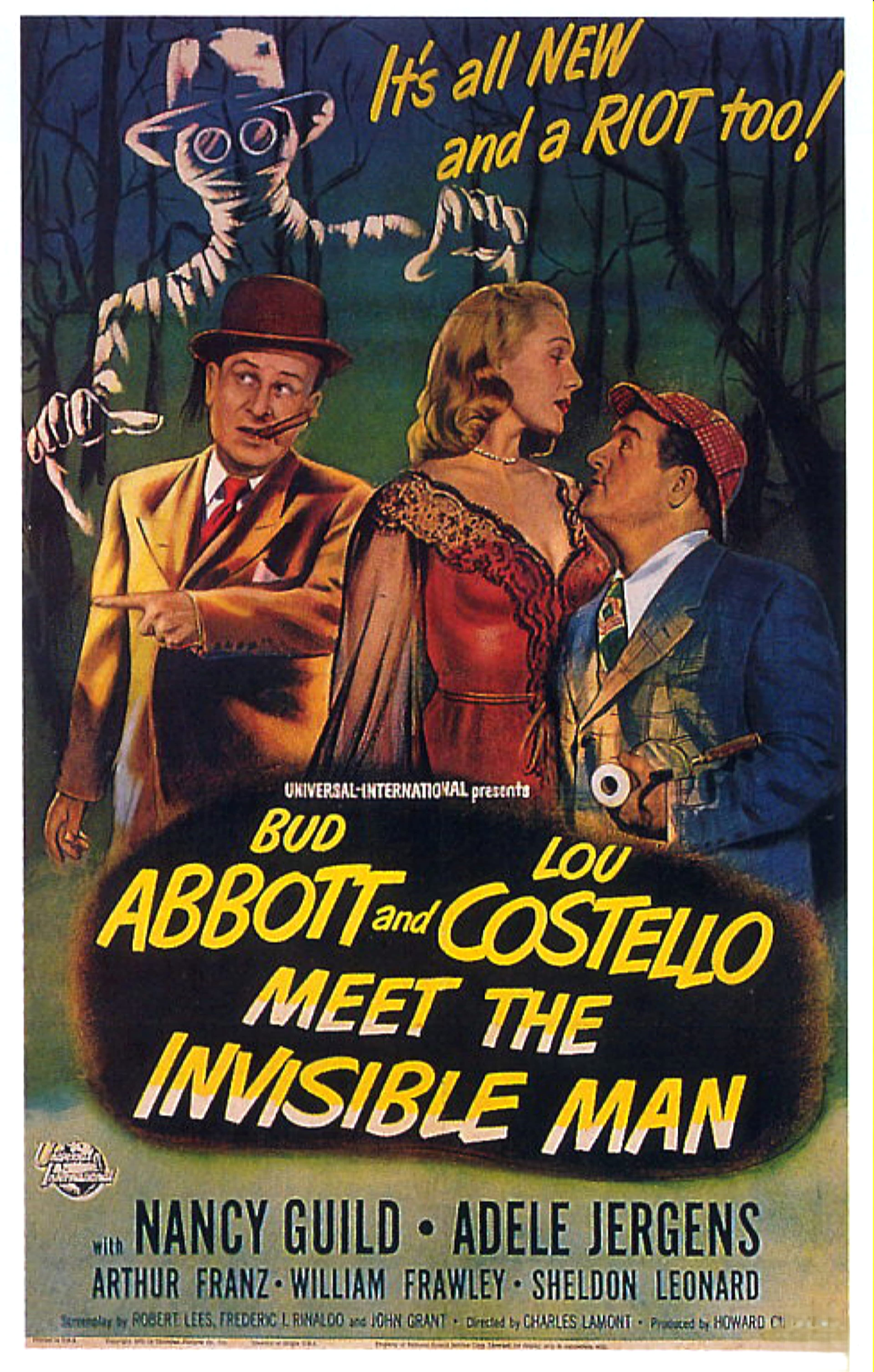
Abbott and Costello Meet the Invisible Man, Universal Comedy, 1951
Print Size
FREE Shipping
|Ships in 3–5 business daysAbout This Poster
This poster advertises Universal-International’s 1951 horror-comedy "Abbott and Costello Meet the Invisible Man," starring Bud Abbott and Lou Costello with Nancy Guild and Adele Jergens. The billing block also credits Arthur Franz, William Frawley, and Sheldon Leonard, with story and screenplay by Hugh Wedlock Jr. and Howard Snyder, and direction by Charles Lamont. The studio logo and the tagline “It’s all NEW and a RIOT too!” emphasize the film’s blend of slapstick comedy and the classic Universal monster cycle, here reimagined through the duo’s popular screen personas.
Visually, the design features a richly painted illustration typical of early 1950s American movie advertising, likely produced for offset lithographic printing. The composition centers on a dramatic nighttime scene: Abbott and Costello in vivid suits confront the partially visible figure of the Invisible Man, whose trench coat, hat, and bandaged face emerge from a ghostly, transparent outline. A glamorous female figure in a golden dress stands between them, rendered with smooth, airbrushed modeling and heightened color. The palette favors deep forest greens and blues in the background, contrasted with warm yellows, reds, and flesh tones in the foreground characters. Hand-lettered style typography in bright yellow and white for the tagline and title conveys energy and movement, while the cast and credits are set in more formal block lettering at the bottom. The overall layout, with its dynamic diagonals and expressive character poses, reflects mid-century studio poster conventions designed to communicate genre, star power, and comic chaos at a glance.
As a piece of film history, this poster marks a late phase in Universal’s monster legacy, when classic horror properties were being reinterpreted through comedy to reach postwar audiences. Its illustrative style and bold, slogan-driven copy reveal how studios in the early 1950s used colorful, character-focused artwork to bridge genre traditions and changing tastes, making it a telling example of transitional Hollywood marketing and design.
Print Details
Printed on premium matte paper — heavier-weight, white, with a smooth uncoated finish that feels luxuriously soft to the touch.
- •Finish: Matte, smooth, non-reflective surface
- •Paper Weight: 200 gsm (80 lb), thickness 0.26 mm (10.3 mil)
- •Sustainability: FSC-certified or equivalent paper
You Might Also Like
Movie
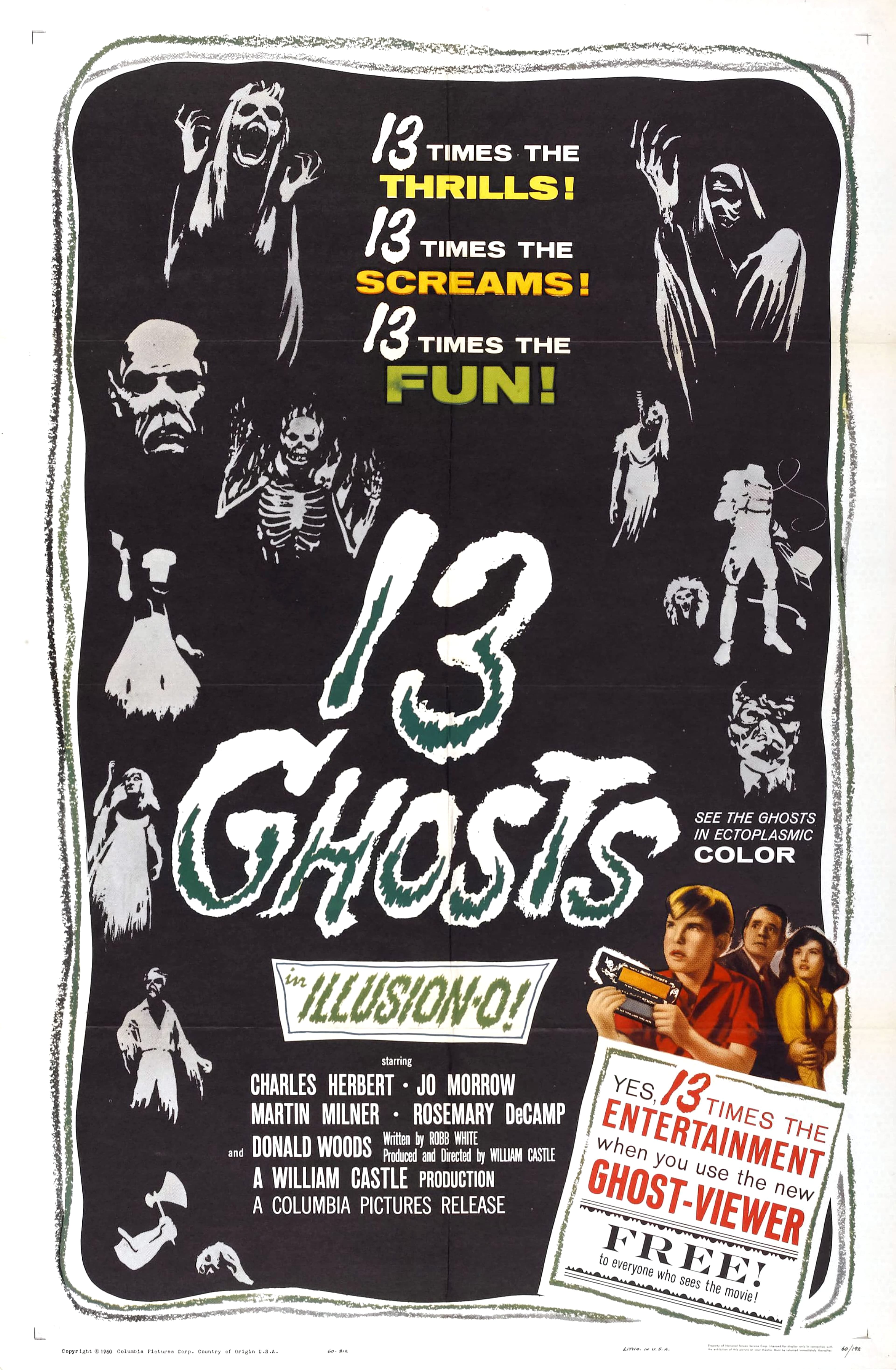
13 Ghosts, William Castle’s Gimmick Horror, 1960
1960s
From $27.95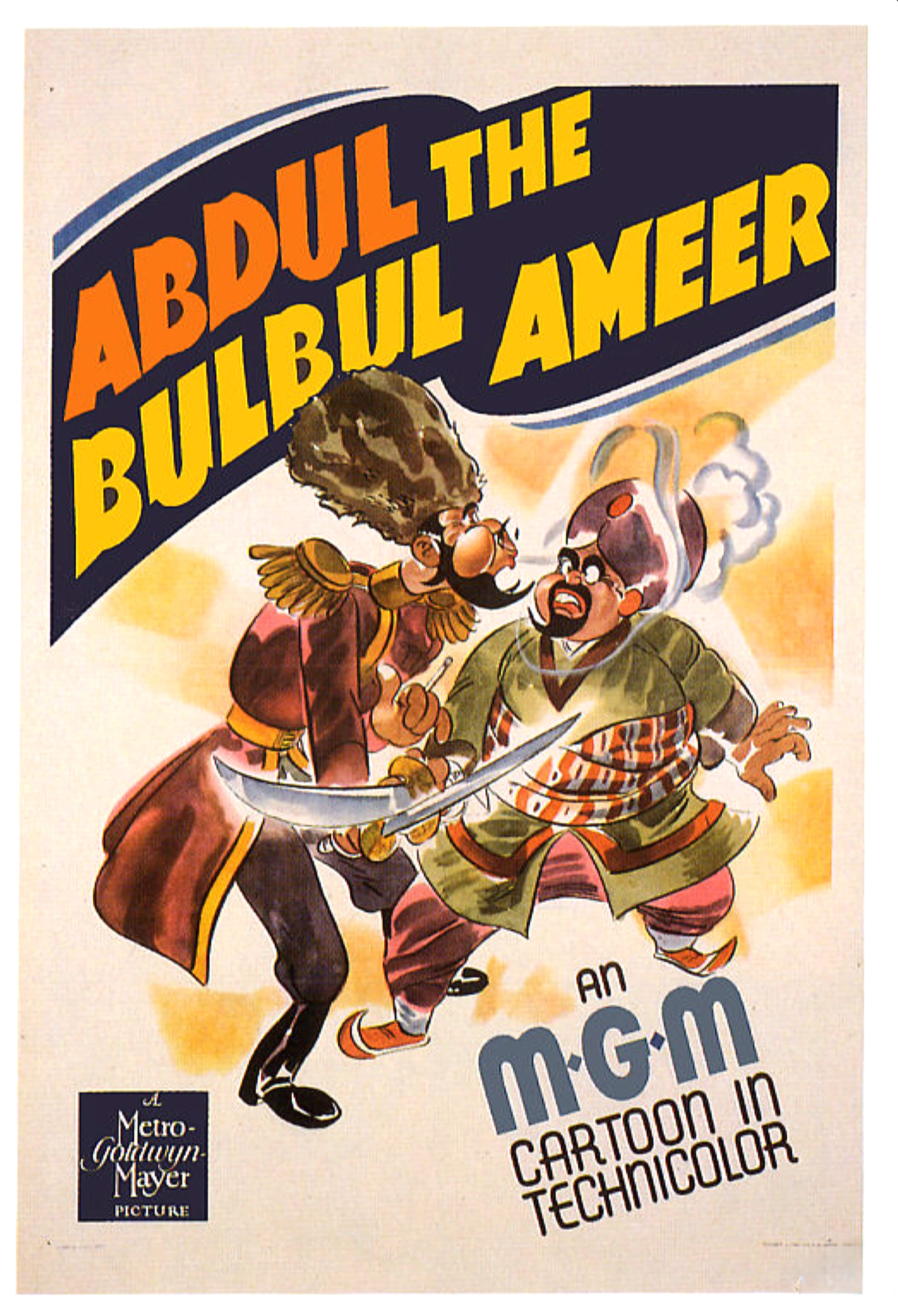
Movie
Abdul the Bulbul Ameer, MGM Technicolor Cartoon Poster, 1941
Early 1940s
From $27.95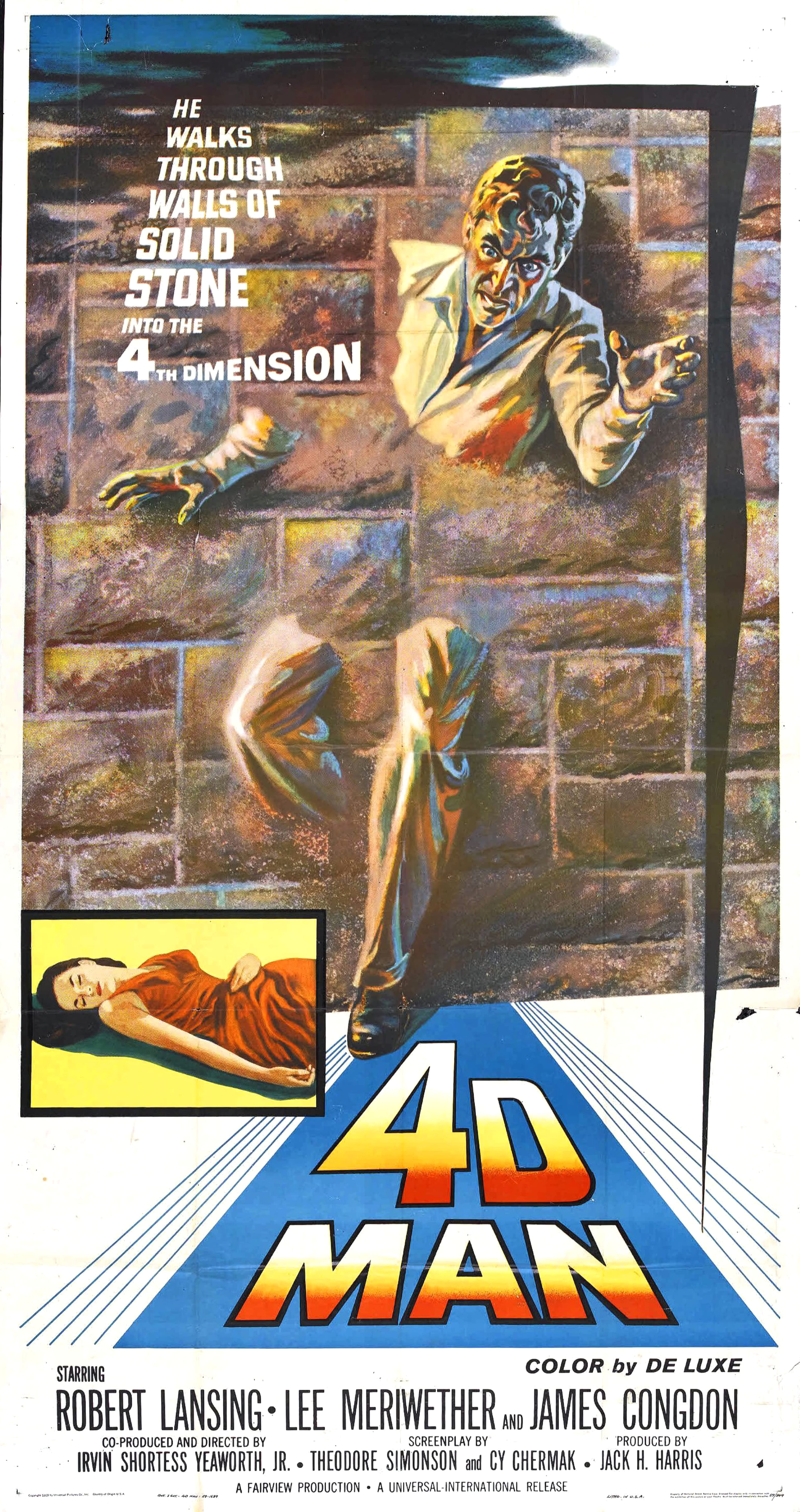
Movie
4D Man, Robert Lansing & Lee Meriwether Sci‑Fi Thriller, 1959
Late 1950s
From $27.95
Movie
13 Rue Madeleine, James Cagney Spy Thriller, 1947
1940s
From $27.95